
what’s coming up
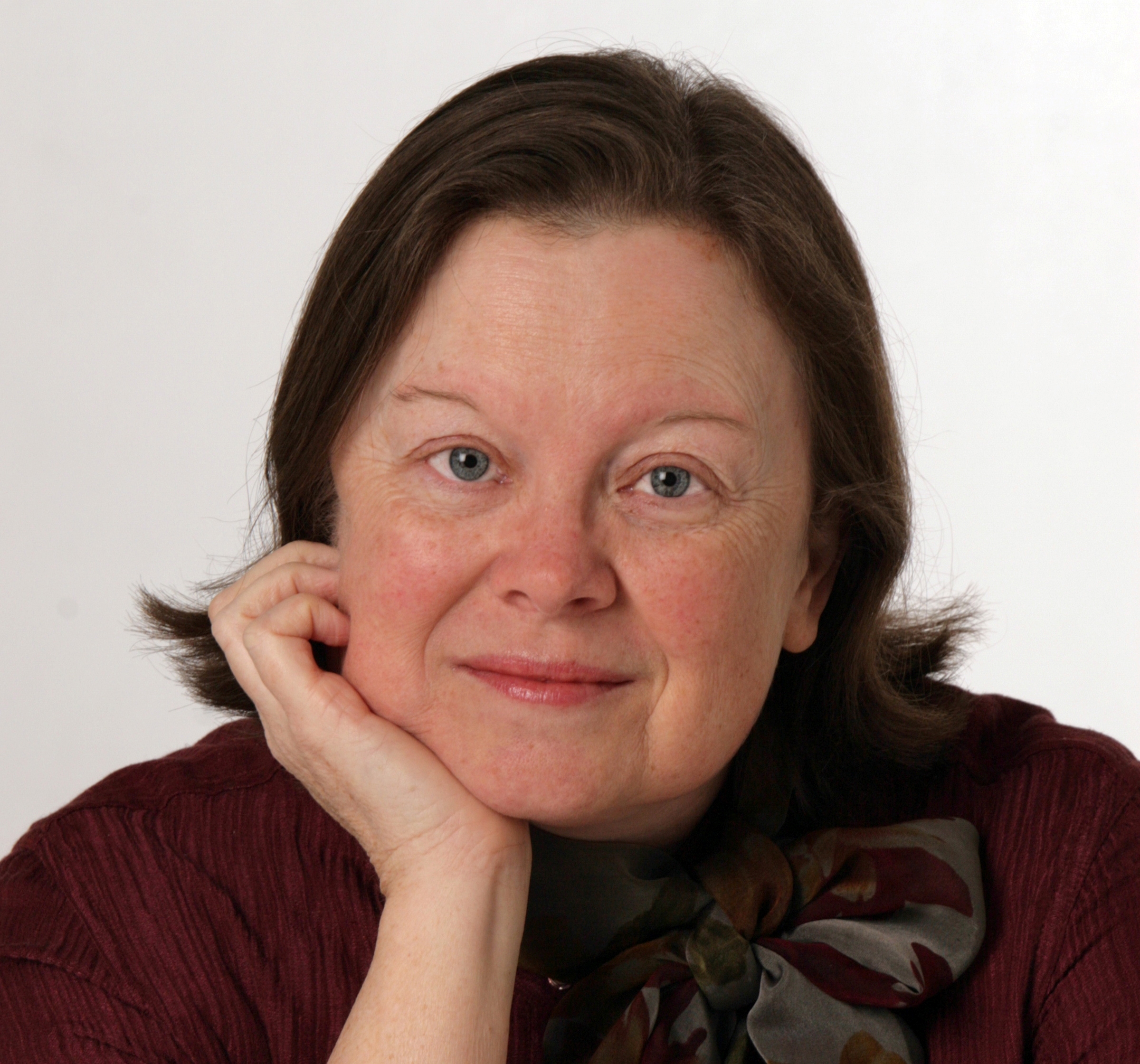
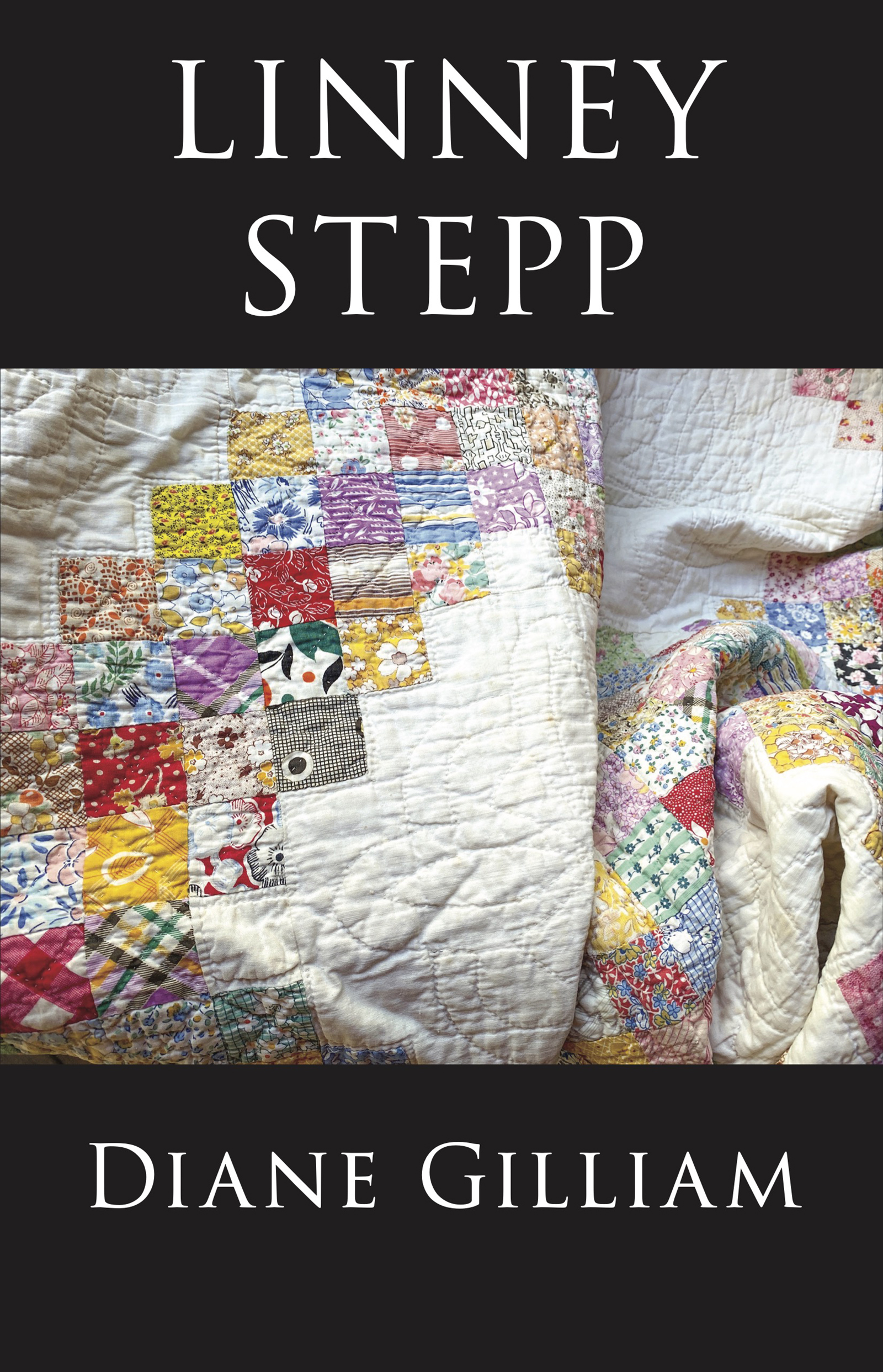
Join me on March 5, 2023 at 3:00pm EST to spend some time in the world of Linney Stepp. I will be in conversation with poet and novelist, Diane Gilliam about her new work. THE BOOK CANOPY, a collective of women writers who read, discuss and promote books by women writers, will present an online conversation with the author.
I came to know Diane Gilliam as a poet, author of the collections, One of Everything, Kettle Bottom, and Dreadful Wind and Rain.
When I read her deft, lyrical poems of Appalachian people and culture, I knew Diane and I shared a desire to represent people often stereotyped if not forgotten in the American historical past. In “Linney Stepp,” an ordinary girl becomes extraordinary as she chooses her life’s trajectory in the face of the loving bonds of her close-knit family and Appalachian culture. Sometimes it is more difficult to wrestle individuality from loving, but rigid structures mandated by class and geography than to run from tragic circumstances and start over.
The voice of Linney Stepp
Once I met a doe in the woods in that starving time right between the end of winter and the breaking through of spring. Not a bit of green nowhere, the whole world brown and dry as an old creek bed. The doe looked at me, the purest look you could ever imagine. There wasn’t no asking in it, nothing like that. Liked to broke my heart. I went to get her a cabbage out of the cellar, even though there was only four left and I knew Mama would know somebody’d took one. But the doe was gone when I got back.
The voice of the author:
I was always a girl with a book. I carried my favorites around with me and read on the way to and from school. I wrote my very first novel in third or fourth grade, about an indentured servant named Anastasia who ran away–so I did think I could be a writer when I was very young. As I got older though and people started asking what I wanted to “do,” writing was not the best answer and over the years my answer changed to “teacher,” then “scholar.” – Diane Gilliam
I have a few questions to ask Diane about character, setting and representation. Join us on Zoom under The Book Canopy.
REGISTER HERE:
https://www.thebookcanopy.org/
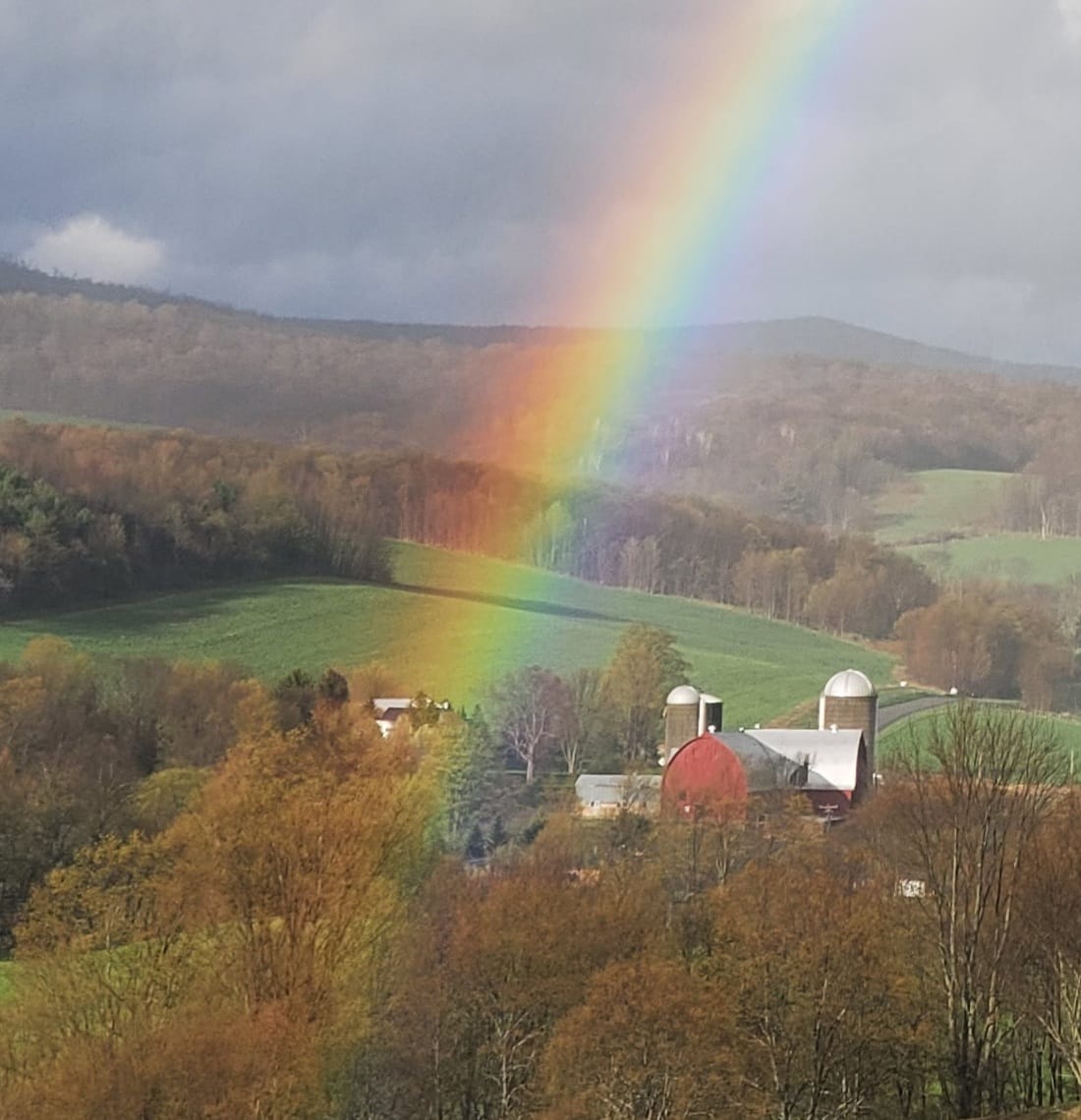
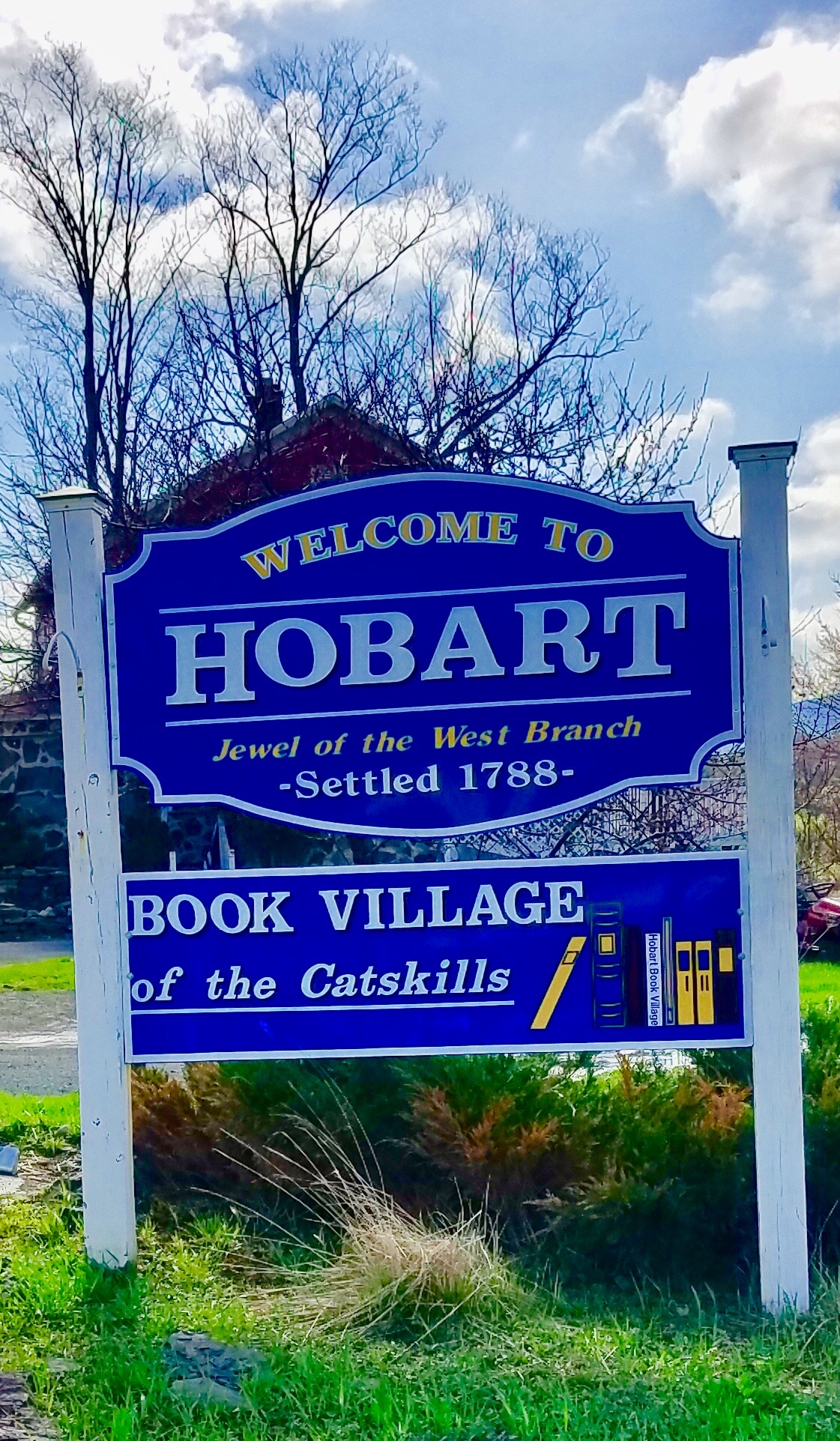
Come up to Hobart! Come and celebrate the work of women writers for Hobart Festival of Women Writers 2023. We are in-person in Hobart, New York, the Reading Capital of New York State for Hobart Festival of Women Writers 2023 on
JUNE 16TH, 17TH & 18TH
We’re presenting a great lineup of Participating Writers offering workshops, readings and panel discussions. Mark your calendar and don’t miss it!
https://hobartfestivalofwomenwriters.blog/2023/02/03/celebrating-a-milestone-hfww-2023/

visit my website at www.BreenaClarke.com
Read Fat &Grinning: https://amzn.to/3qLwGky


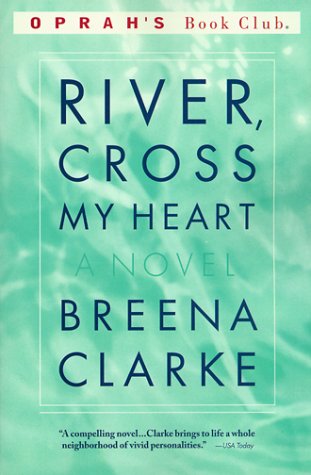





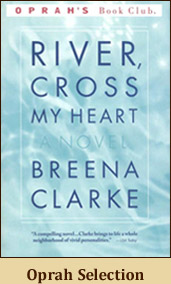 Eight-year-old Clara Bynum is dead, drowned in the Potomac River in the shadow of an apparently haunted rock outcropping known locally as the Three Sisters. In scenes alive with emotional truth, River, Cross My Heart weighs the effect of Clara’s absence on the people she has left behind: her parents, Alice and Willie Bynum, torn between the old world of their rural North Carolina home and the new world of the city, to which they have moved in search of a better life for themselves and their children; the friends and relatives of the Bynum family in the Georgetown neighborhood they now call home; and, most especially, Clara’s sister, twelve-year-old Johnnie Mae, who must come to terms with the powerful and confused emotions sparked by her sister’s death as she struggles to decide and discover the kind of woman she will become. Read an excerpt here:
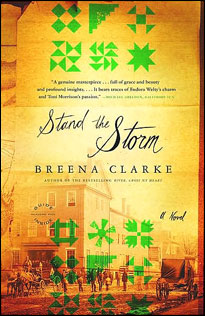
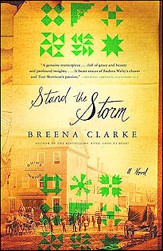 Even though Sewing Annie Coats and her son, Gabriel, have managed to buy their freedom, their lives are still marked by constant struggle and sacrifice. Washington’s Georgetown neighborhood, where the Coatses operate a tailor’s shop and laundry, is supposed to be a “promised land” for former slaves but is effectively a frontier town, gritty and dangerous, with no laws protecting black people.The remarkable emotional energy with which the Coatses wage their daily battles-as they negotiate with their former owner, as they assist escaped slaves en route to freedom, as they prepare for the encroaching war, and as they strive to love each other enough-is what propels Stand the Storm. Read an excerpt here:
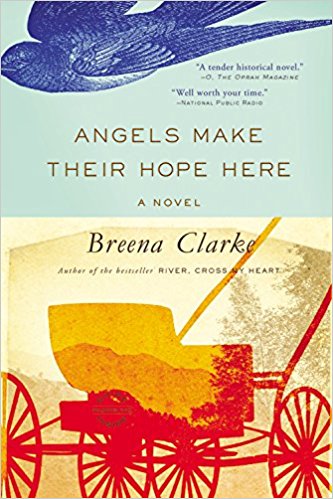
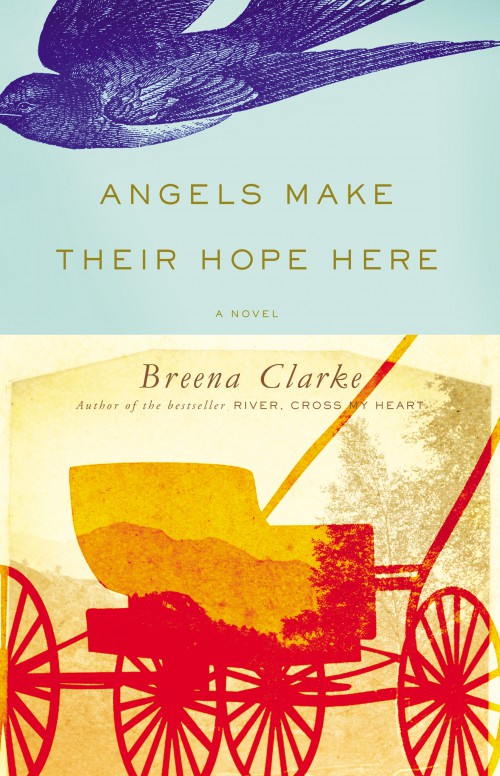
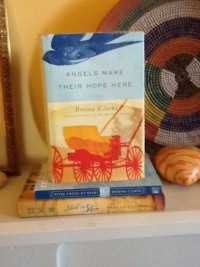
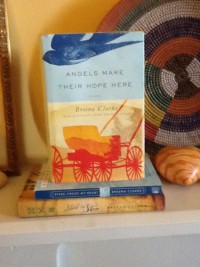
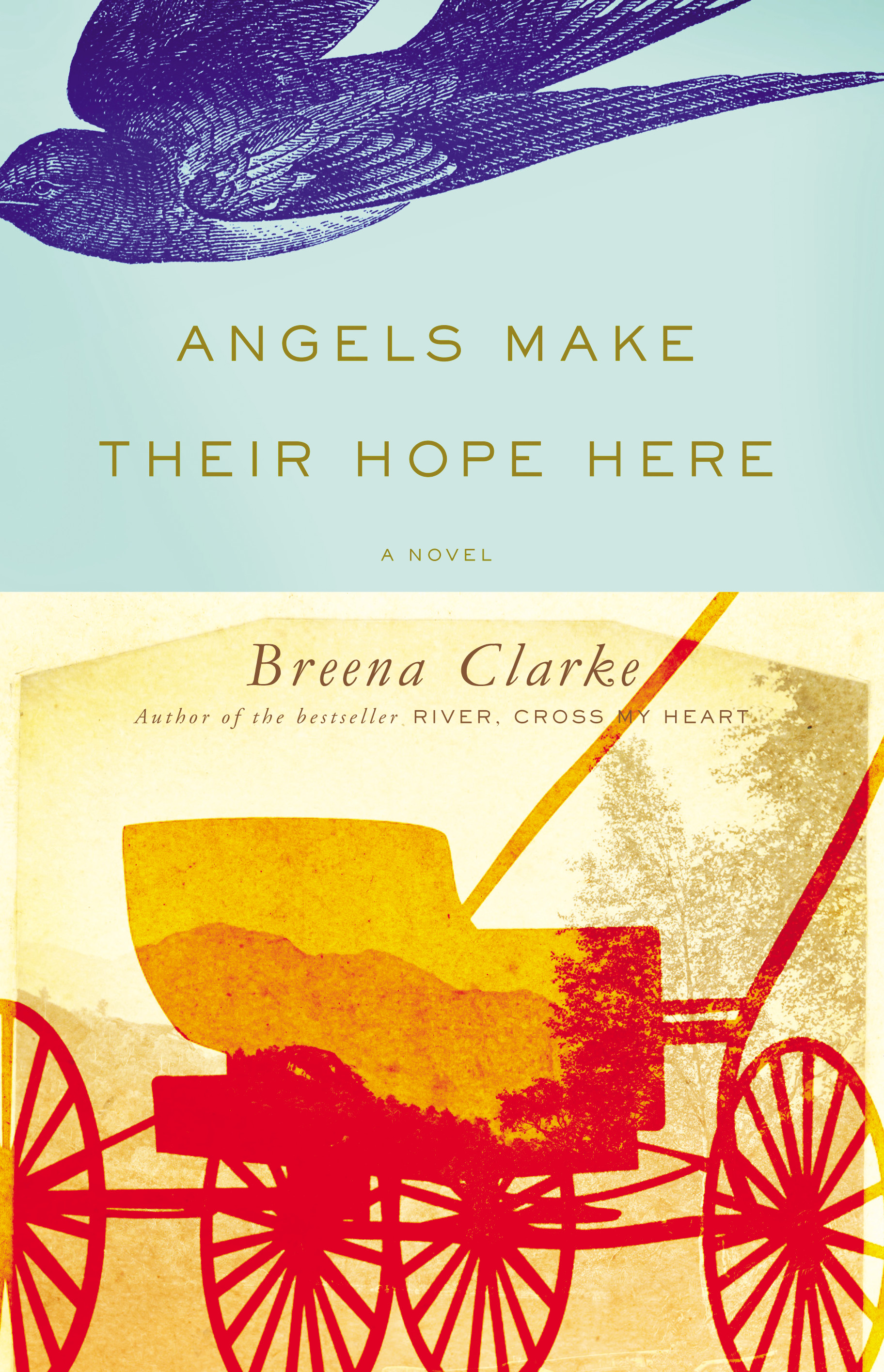
 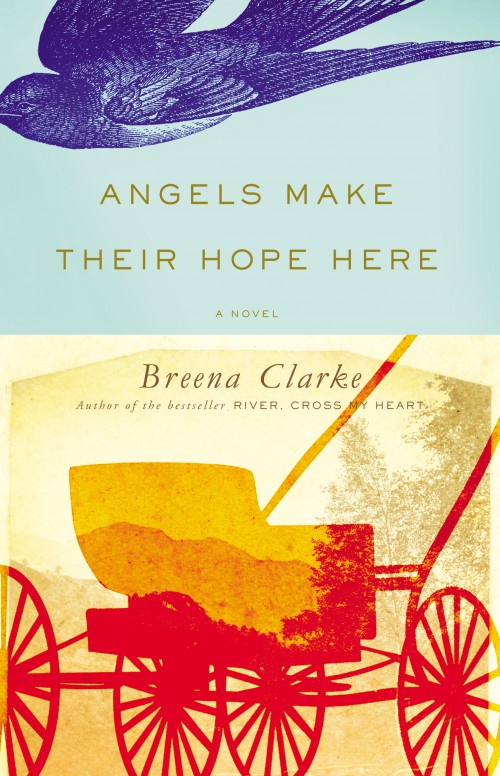 ANGELS MAKE THEIR HOPE HERE is set in an imagined community in a mountainous area roughly north and west of Paterson, New Jersey in the 19th century. Russell’s Knob is a hidden, secretive place settled by people who might be described today as bi-racial or tri-racial. The inhabitants describe themselves as runaways and stay-aways. They are people who reject the limiting definitions of racial identity and character of 19th century, mid-Atlantic, North America and live outside of the “white” towns. They are spoken of derisively as “amalgamators” and “race mixers” though their true history is as complex as is the history of settlement in the region. Read an excerpt here: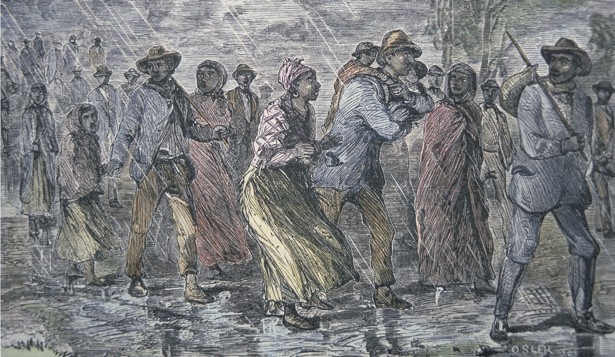




 breenaclarkebooks